DC/DC Power Conversion
From schematic design to PCB layout & prototype — we deliver application-specific power conversion solutions optimized for performance, efficiency, and reliability.
Get StartedINTRODUCTION
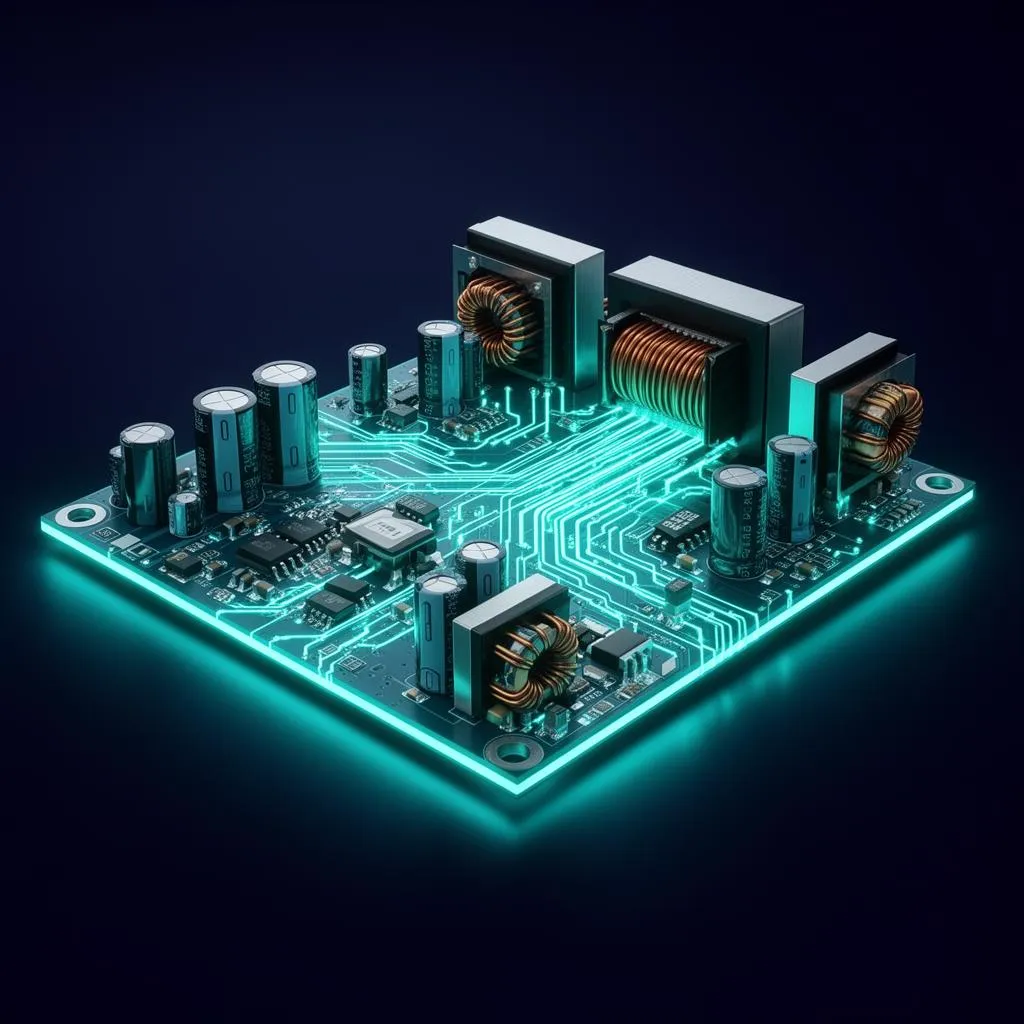
DC/DC converters are fundamental building blocks in modern electronic systems, enabling efficient conversion of electrical energy from one DC voltage level to another. These power conversion systems are critical in applications ranging from low-power embedded devices to high-voltage electric mobility platforms.
At a fundamental level, a DC/DC converter regulates voltage using switching techniques, ensuring high efficiency, compact size, and thermal optimization compared to linear regulation approaches.

Buck, Boost, Buck-Boost, and SEPIC topologies for compact, cost-sensitive applications.
Flyback, Forward, Half-Bridge, and Full-Bridge for safety isolation and high reliability.
Embedded systems, IoT devices, industrial control, and battery-operated products.
EV powertrains, industrial automation, renewable energy, and battery interfacing.
Constant current, battery charging, bidirectional, and ultra-low power designs.
EV/HEV, BMS, telecom, industrial PSU, renewable energy, and embedded IoT devices.
Custom Engineering
Our focus is not on selling catalog-based DC/DC modules. Instead, we specialize in custom DC/DC converter design and development, tailored precisely to customer specifications.
This approach ensures that the final solution is optimized for performance, cost, manufacturability, and long-term reliability, rather than being a compromise typical of off-the-shelf solutions.

Input/output voltage and power requirements
Efficiency and thermal constraints
Form factor and mechanical limitations
Environmental and reliability requirements
Compliance and safety standards
CONTROL ARCHITECTURES
This dual capability allows us to select the right control strategy based on application complexity, cost targets, and performance requirements.


Dynamic response tuning
Load and line compensation
Smart protection mechanisms
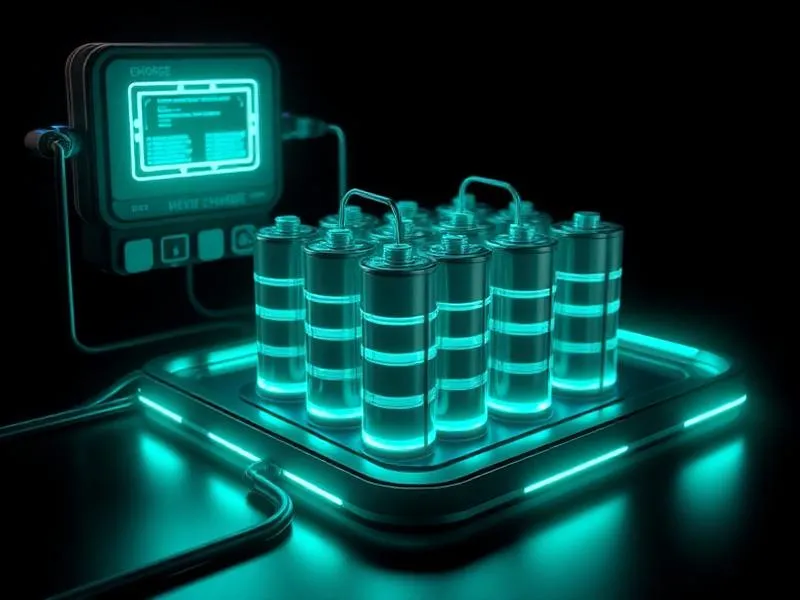
We design intelligent battery charging systems using MCU-based control and PID regulation for energy storage, EV, UPS, and portable electronics.
Multi-stage charging algorithms (CC, CV, trickle, balancing)
Temperature-compensated charging
State-of-charge estimation and protection logic
Integration with BMS systems
High-efficiency and fast-charging architectures
We have strong capability in developing high-voltage DC/DC converters, including systems operating at 400V DC bus architectures and 800V–1000V next-gen EV and industrial systems.
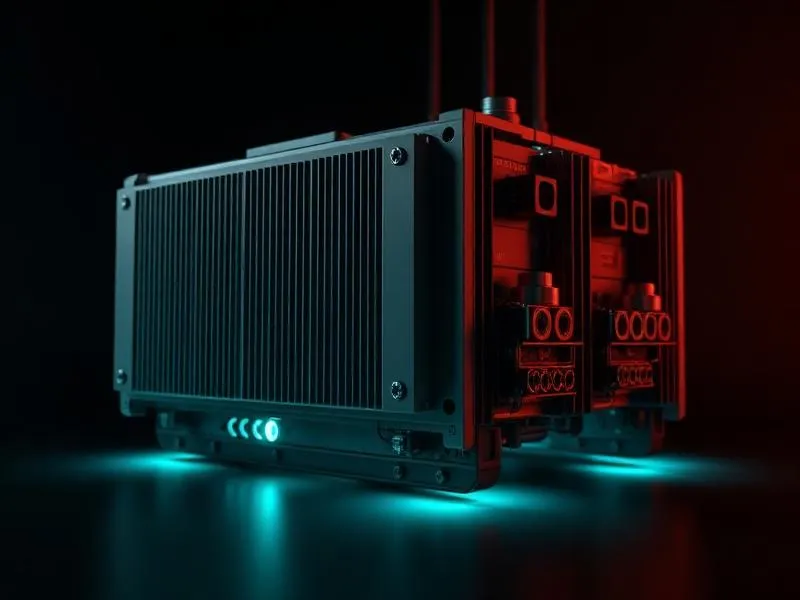
High-efficiency switching topologies (Phase-shifted full bridge, LLC, etc.)
Isolation and safety compliance
EMI/EMC optimization
Thermal management under high power density
Robust fault protection and diagnostics
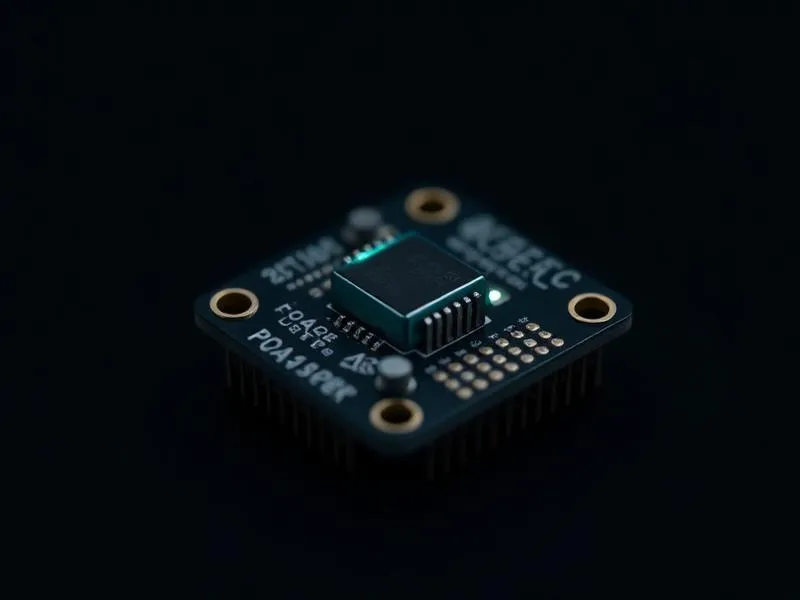
At the other end of the spectrum, we develop ultra-efficient low-power DC/DC converters where battery life is a critical KPI.
Our development methodology follows a structured and engineering-driven lifecycle from concept to production.

Electrical specifications, environmental and compliance requirements, mechanical constraints and integration needs.
Optimal converter topology based on efficiency, isolation, and cost targets with trade-off analysis.
Circuit simulation, control loop design, stability analysis, magnetics and transformer design validation.
Schematic design, PCB layout with EMI/EMC, thermal management, and high-current/voltage routing.
PID control implementation, protection logic, communication interfaces (UART, CAN, etc.).
Functional validation, efficiency and thermal testing, load transient and EMI/EMC compliance pre-testing.
Performance tuning, cost optimization, and reliability improvements through iterative refinement.
DFM, documentation, test procedures, vendor and component selection support.
Accelerate development cycles, reduce risk, and improve product performance with our expert power electronics consulting.

Strategic guidance on optimal converter architectures for your application.

Maximizing power conversion efficiency while managing thermal constraints.

Root cause analysis and design troubleshooting for existing power systems.

Strategies to achieve compliance and minimize electromagnetic interference.
Engineering for long-term reliability through proper derating practices.

Expert review and optimization of your existing DC/DC converter designs.
Strong foundation in embedded systems and power electronics integration
Experience across low-power, high-voltage, and battery-centric designs
Capability to deliver both analog and digital control solutions
Focus on custom, application-specific engineering rather than generic solutions
End-to-end ownership from concept to production-ready design
Let's discuss your DC/DC converter requirements. Whether you need custom development, consulting, or a complete end-to-end solution — we're here to help.




.png)